

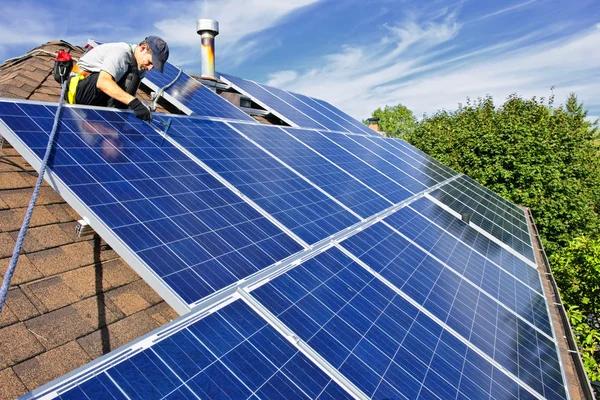
Optimizing solar panel positioning is crucial for maximizing energy production, a key factor in enhancing the efficiency and effectiveness of solar power systems. The position and angle at which solar panels are installed significantly impact their ability to capture sunlight, thus influencing their overall performance. To achieve optimal energy output, several factors must be considered, including geographical location, tilt angle, orientation, and potential obstructions.
Geographical location plays a pivotal role in determining the ideal positioning of solar panels. Different regions receive varying amounts of sunlight throughout the year due to their proximity to the equator. In general, areas closer to the equator benefit from more direct sunlight year-round compared to those further away. Therefore, understanding local climatic conditions and sun path diagrams can help determine the best angles for panel installation.
The tilt angle of solar panels is another critical aspect that affects energy production. Ideally, this angle should be adjusted according to latitude; however, it can also be optimized seasonally or even monthly for better results. A fixed-tilt system set at an angle equal to the latitude provides a good compromise between simplicity and efficiency but may not always offer maximum annual energy yield. Adjustable mounting systems allow for seasonal changes in tilt angles—steeper in winter months when view the site sky and shallower during summer when it is higher—thus capturing more sunlight over time.
Orientation refers to the direction that solar panels face relative to true north or south (depending on hemisphere). For maximum exposure throughout daylight hours in most locations within the northern hemisphere, south-facing installations are preferred as they receive consistent sunlight from sunrise until sunset. Conversely, north-facing orientations are optimal for those situated below the equator.
Potential obstructions such as buildings or trees can cast shadows on solar arrays thereby reducing their efficiency by blocking direct sunlight access during certain times of day or seasons altogether if left unchecked over prolonged periods without maintenance interventions like trimming branches back regularly where necessary around property lines etcetera – this ensures unobstructed pathways remain open so nothing hinders harnessing full potential available naturally otherwise wasted unnecessarily instead!
In conclusion optimizing every element involved with positioning decisions ultimately leads towards increased output capabilities long-term investment returns sustainability goals alike! By carefully considering factors such as geographical location along with appropriate adjustments made regarding both tilt/orientation aspects while proactively managing any possible obstacles present nearby vicinity ensures achieving highest levels renewable resource utilization possible today tomorrow future generations benefit equally well too!