

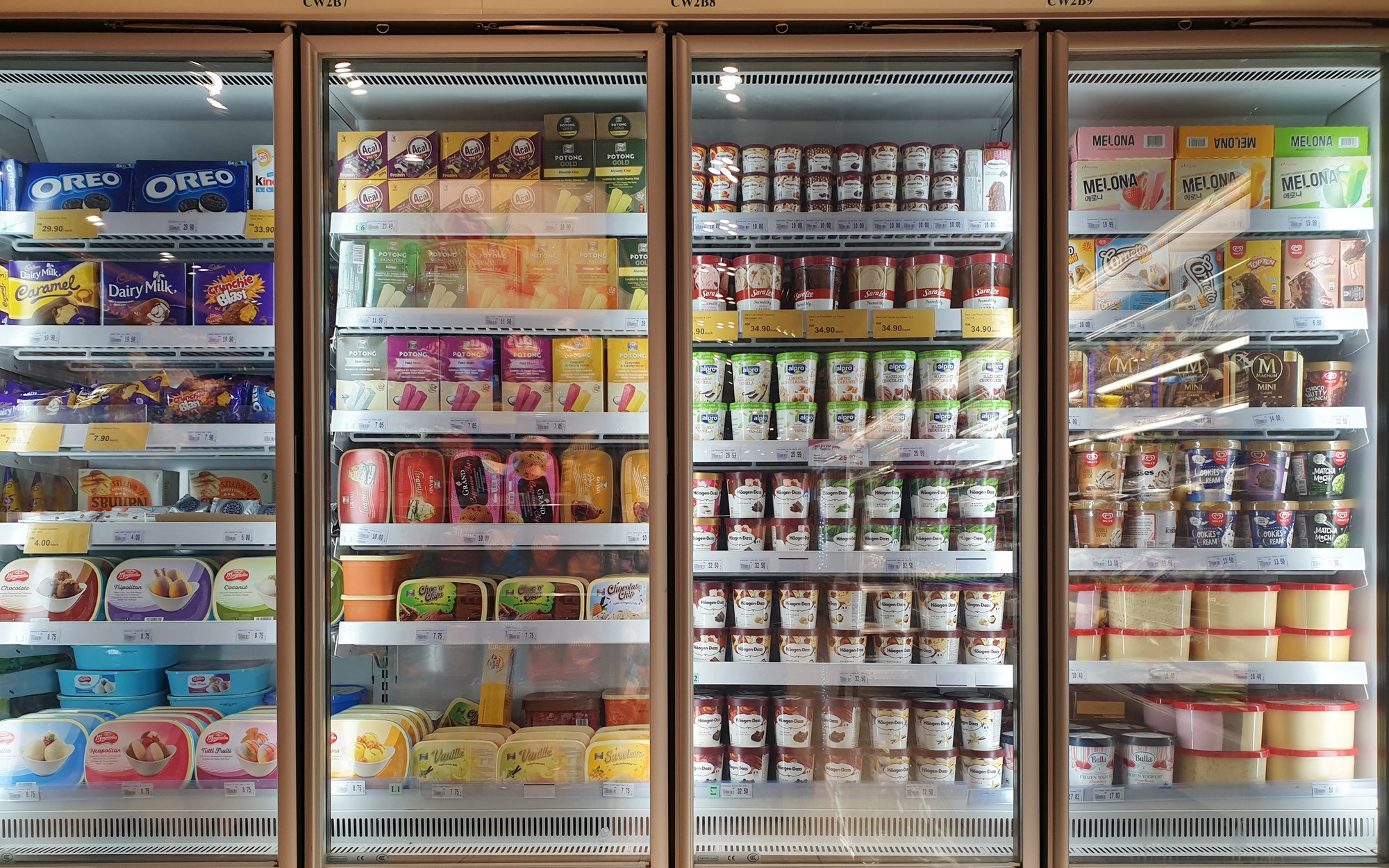
The commercial refrigeration industry is undergoing a significant transformation driven by advanced technology, reshaping how businesses manage cooling systems and preserve perishable goods. Innovations in this sector are not only improving energy efficiency but also enhancing operational reliability, reducing environmental impact, and providing greater control through smart monitoring solutions. These advancements address the growing demands for sustainability and cost-effectiveness while ensuring food safety standards are rigorously maintained.
One of the most impactful technological developments is the integration of Internet of Things (IoT) devices within refrigeration units. IoT-enabled systems allow real-time monitoring of temperature, humidity, and system performance remotely via cloud-based platforms. This connectivity enables facility managers to detect anomalies early, schedule preventive maintenance more effectively, and minimize downtime caused by unexpected equipment failures. By continuously collecting data from sensors embedded in refrigerators or freezers, these smart systems help optimize energy consumption based on actual usage patterns rather than fixed schedules.
Another critical innovation involves the use of advanced refrigerants with lower global warming potential (GWP). Traditional refrigerants have contributed significantly to greenhouse gas emissions; however, newer alternatives such as hydrofluoroolefins (HFOs) offer similar cooling capabilities with substantially reduced environmental risks. Adoption of these eco-friendly refrigerants aligns with international regulations aimed at phasing out harmful substances while supporting sustainable business practices.
Moreover, variable speed compressors have become increasingly common in Commercial Refrigeration applications. Unlike conventional compressors that operate at constant speeds regardless of demand, variable speed models adjust their output dynamically to match cooling requirements precisely. This results in considerable energy savings since the compressor works only as hard as necessary rather than running continuously at full power. Enhanced inverter technology facilitates smooth adjustments without compromising system stability or product integrity.
In addition to hardware improvements, artificial intelligence (AI) plays a growing role by analyzing operational data to predict maintenance needs and optimize settings automatically over time. AI algorithms can identify subtle trends indicating potential issues before they escalate into costly repairs or spoilage incidents. Such predictive analytics empower businesses to extend equipment lifespan while maintaining consistent quality control standards.
Furthermore, advances in insulation materials contribute to better thermal retention within refrigeration units. Improved insulation reduces heat ingress from external environments which lowers compressor workload and further cuts electricity consumption. Some manufacturers now incorporate vacuum insulated panels or aerogel-based materials that provide superior thermal resistance compared to traditional foam insulations.
Collectively, these technologies foster a new era where commercial refrigeration becomes smarter, greener, and more resilient against challenges posed by fluctuating market demands and regulatory pressures. As companies continue embracing digital transformation alongside environmentally conscious innovations, they position themselves for long-term success through enhanced efficiency and compliance adherence within an increasingly competitive landscape. The ongoing evolution promises continued benefits not only for operators but also for consumers relying on fresh products preserved under optimal conditions every day.