

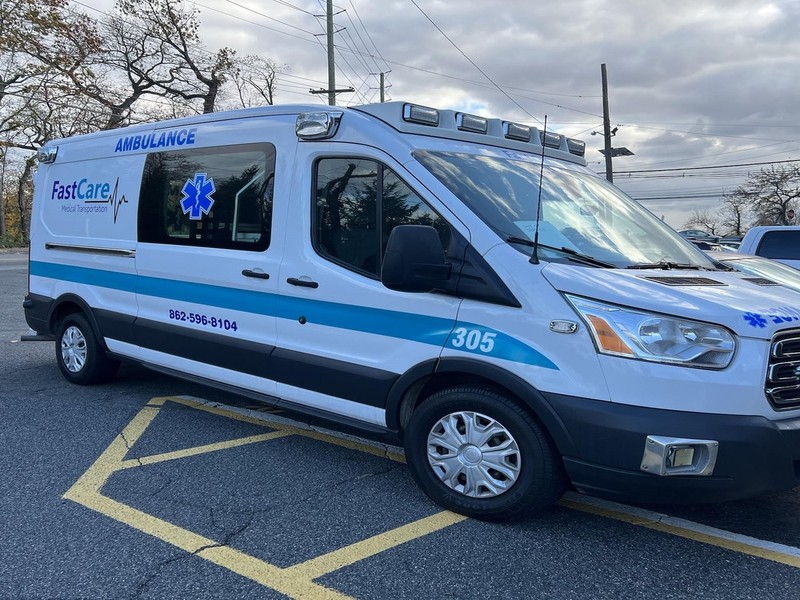
Preparing medical transport for seniors requires careful planning and attention to detail to ensure safety, comfort, and efficiency. Seniors often have unique health needs that must be addressed before, during, and after transportation. The first step is gathering comprehensive medical information about the individual. This includes current medications, allergies, mobility limitations, recent treatments or surgeries, and any chronic conditions such as diabetes or heart disease. Sharing this information with the transportation provider allows them to prepare adequately and respond appropriately in case of emergencies.
Choosing the right mode of transport is crucial. Depending on the senior’s physical condition and medical requirements, options may range from non-emergency ambulances equipped with basic life support to specialized vehicles staffed by trained paramedics. It is important to assess whether wheelchair accessibility or stretcher services are needed. Scheduling appointments well in advance helps secure appropriate transportation while allowing time for any necessary adjustments.
Communication plays a vital role throughout the process. Family members or caregivers should maintain clear contact with both healthcare providers and transport personnel. Confirming pickup times, routes, estimated travel duration, and drop-off locations reduces confusion on the day of travel. Providing detailed instructions about assistance required-such as help boarding or carrying medical equipment-ensures everyone involved uncover details understands their responsibilities.
Preparing the senior physically can also enhance efficiency during transit. Dressing them in comfortable clothing suitable for weather conditions minimizes discomfort during travel delays or waiting periods. Packing essential items like identification cards, insurance documents, medication lists, water bottles, snacks if allowed by medical advice, and personal comfort aids contributes to a smoother experience.
Safety measures must always be prioritized when transporting seniors medically. Ensuring seat belts are used properly prevents injuries during sudden stops or turns while monitoring vital signs en route can detect early signs of distress requiring immediate intervention. Transport providers should be trained not only in driving but also in elderly care techniques such as transferring patients safely between beds and vehicles without causing strain or falls.
Evaluating post-transport procedures completes an efficient system for seniors’ medical transport preparation efforts. After arrival at healthcare facilities or home settings following treatment sessions it is beneficial to have someone available who can assist with unloading equipment and helping seniors settle comfortably into their surroundings again.