

HVAC contractors play a crucial role in ensuring heating, ventilation, and air conditioning systems operate efficiently throughout the year. Managing seasonal maintenance effectively requires careful planning, technical expertise, and strong communication with clients. The process begins well before the change in seasons to prevent unexpected breakdowns during extreme weather conditions. Contractors typically schedule inspections and tune-ups ahead of peak usage periods to identify potential issues early.
One key aspect of effective seasonal maintenance is thorough system evaluation. Contractors examine components such as filters, coils, refrigerant levels, electrical connections, and thermostat settings. This comprehensive check helps detect wear or damage that could compromise performance or safety. Cleaning essential parts like evaporator and condenser coils improves airflow and energy efficiency while prolonging equipment life. Additionally, replacing or cleaning filters prevents dust buildup that can strain the system.
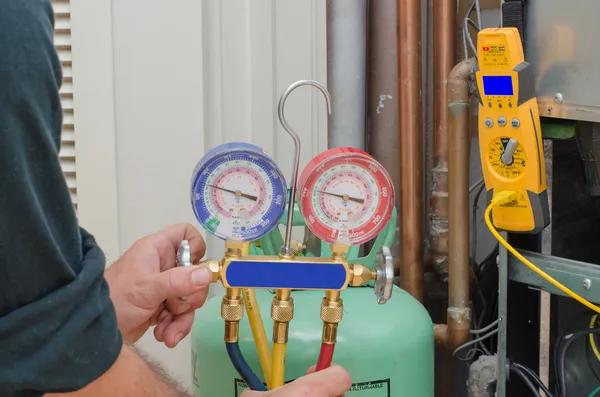
Another important factor is addressing refrigerant levels accurately since improper amounts can reduce cooling capacity or cause compressor failure. HVAC professionals use specialized tools to measure pressure and recharge refrigerants according to manufacturer specifications while checking for leaks that may indicate underlying problems requiring repair.
Electrical inspection also plays a vital role in seasonal upkeep by verifying wiring integrity and tightening loose connections to avoid shorts or malfunctions. Testing find out more capacitors and motors ensures smooth operation without unexpected shutdowns during heavy demand periods.
Effective communication between contractors and homeowners enhances maintenance outcomes significantly. Professionals provide clear explanations about necessary repairs or replacements along with cost estimates so clients can make informed decisions promptly. They often recommend service contracts for regular visits that keep systems running optimally year-round while preventing costly emergency calls.
Using technology aids contractors in managing their workflow efficiently through scheduling software that tracks appointments based on customer location, previous service history, and priority level during busy seasons. Digital records allow technicians quick access to past reports facilitating faster diagnostics on repeat visits.
Training remains essential as well; staying updated on new HVAC technologies equips contractors with knowledge needed for handling modern systems featuring smart thermostats or variable-speed compressors designed for improved comfort control and energy savings.
Ultimately, successful seasonal maintenance management hinges on proactive inspection routines combined with skilled repairs tailored to each client’s specific equipment needs. By maintaining consistent service standards supported by transparent client interactions alongside technological tools for organization, HVAC contractors ensure reliable indoor climate control regardless of season changes while extending system lifespan effectively without unnecessary downtime or expense surprises for customers alike.