

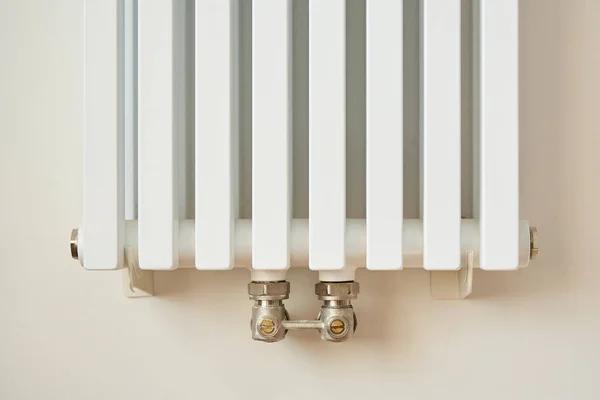
Central heating systems are essential for maintaining comfort in our homes, especially during the colder months. To ensure these systems operate efficiently and effectively, routine maintenance is crucial. By following a few simple tips, homeowners can maximize their central heating performance, reduce energy costs, and prolong the lifespan of their equipment.
Firstly, it is vital to schedule regular inspections by a qualified technician. An annual professional check-up can identify potential issues before they become significant problems. Technicians will inspect components such as boilers, radiators, and thermostats to ensure everything functions correctly. They will also clean parts that may have accumulated dirt or debris over time, which could hinder performance.
In addition to professional inspections, homeowners should perform some basic maintenance tasks themselves. One important task is bleeding visit the site radiators. Over time, air can become trapped inside radiators causing them to heat unevenly or not at all. Bleeding involves releasing this trapped air using a radiator key until water flows smoothly from the valve.
Another critical aspect of maintaining central heating efficiency is checking and adjusting the system’s pressure regularly. Low pressure can lead to inadequate heating while high pressure might damage components within the system. Homeowners should familiarize themselves with their system’s recommended pressure levels—usually found in the user manual—and adjust accordingly if needed.
Furthermore, keeping an eye on thermostat settings is essential for optimizing performance and energy use. Programmable thermostats allow users to set specific temperatures for different times of day or night ensuring that energy isn’t wasted when no one is home or everyone is asleep.
It’s also beneficial to periodically flush out your central heating system—a process known as power flushing—to remove sludge buildup that occurs over time due to corrosion inside pipes and radiators; this accumulation can severely impact efficiency by blocking hot water flow through the system.
Insulating pipes helps retain heat within them reducing unnecessary energy loss; this step becomes even more crucial if any pipework runs through unheated areas like garages or basements where cold temperatures prevail during winter months.