

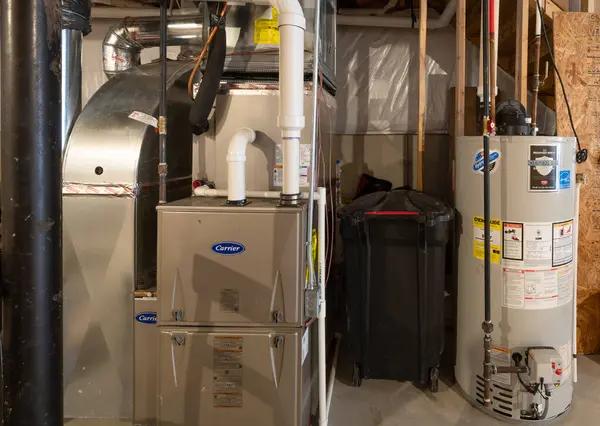
Recognizing when your home requires a furnace replacement is crucial for maintaining comfort and ensuring energy efficiency. Furnaces, like any other appliance, have a finite lifespan and will eventually need replacing. Being proactive in identifying the signs of a failing furnace can save you from unexpected breakdowns and costly repairs.
One of the most evident indicators that your furnace may need replacing is its age. Most furnaces are designed to last between 15 to 20 years. If your furnace falls within or beyond this range, it’s wise to start considering a replacement even if it seems to be functioning adequately. Older units tend to become less efficient over time, leading to increased energy bills as they struggle to maintain desired temperatures.
Increased utility bills without an increase in usage can also signal that your furnace is losing efficiency. As components wear out, visit the site system must work harder to heat your home, consuming more energy in the process. Monitoring your monthly energy statements for unexplained spikes can help identify inefficiencies early on.
Frequent repairs are another red flag indicating that it might be time for a new furnace. If you find yourself calling HVAC technicians regularly or spending significant amounts on repairs annually, investing in a new unit could be more cost-effective in the long run. Constant breakdowns not only disrupt comfort but also hint at underlying issues that might worsen with time.
Uneven heating throughout the house can suggest that your current system isn’t distributing air properly anymore due to its age or internal problems like ductwork issues or failing components within the unit itself. Rooms being too hot while others remain cold often mean that despite running continuously, the system cannot keep up with demand efficiently—a common sign of an aging furnace struggling against wear and tear.
Strange noises such as banging, rattling, or squealing coming from your furnace shouldn’t be ignored either; these sounds typically indicate mechanical problems which could lead towards total failure if left unchecked—prompting urgent attention before matters escalate into emergency replacements during colder months when heating becomes critical.
Finally yet importantly: consider safety concerns associated with older furnaces emitting carbon monoxide due primarily because cracks develop inside heat exchangers over extended periods use—posing serious health risks occupants unaware presence this odorless gas circulating indoors unnoticed until symptoms arise affecting wellbeing everyone living space alike potentially causing harm unless dealt swiftly through professional intervention installation modern safer alternatives available today market equipped advanced detection systems built-in prevent such occurrences altogether thereby safeguarding loved ones effectively future-proofing household environment peace mind assuredly guaranteed thereafter henceforth onwards indefinitely moving forward positively always!