

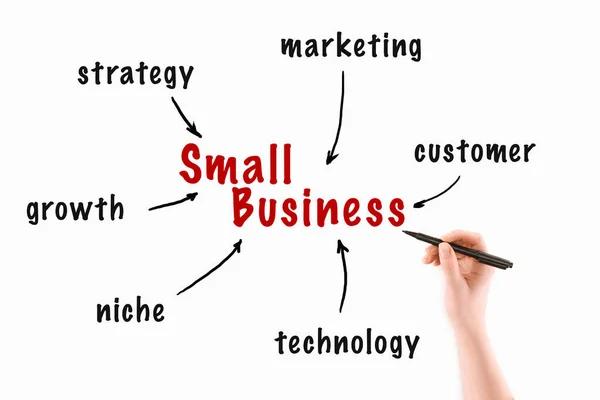
In today’s fast-paced business environment, growth marketing has emerged as a vital strategy for companies aiming to expand their reach and increase revenue. Unlike traditional marketing, which often focuses on short-term goals and immediate sales, growth marketing emphasizes long-term development through a combination of data-driven strategies and creative tactics. This approach is essential for modern businesses seeking to thrive in an increasingly competitive marketplace.
At its core, growth marketing prioritizes understanding the customer journey from awareness to conversion and beyond. By leveraging data analytics, businesses can gain valuable insights into consumer behavior, preferences, and pain points. This information allows marketers to tailor campaigns that resonate with target audiences more effectively than generic advertising methods. As a result, companies can build stronger relationships with their customers by delivering personalized experiences that foster loyalty and encourage repeat business.
Moreover, growth marketing encourages experimentation and innovation. Through techniques such as A/B testing and iterative design processes, firms can continually refine their strategies based on real-world feedback. This adaptability is crucial in a landscape where consumer trends are constantly evolving due to technological advancements and shifting cultural norms. Businesses that embrace this mindset are better equipped to pivot when necessary, ensuring they remain relevant despite external changes.
Another source key aspect of growth marketing is its focus on scalability. Traditional advertising methods often require significant upfront investment without guaranteeing proportional returns. In contrast, growth-oriented strategies prioritize cost-effective channels such as social media platforms or email campaigns that allow businesses to scale efforts according to performance metrics rather than fixed budgets alone. This flexibility enables companies—especially startups or those operating within limited resources—to maximize impact while minimizing risk.
Furthermore, integrating technology into growth marketing practices enhances efficiency across various operations within an organization—from lead generation through customer retention initiatives like loyalty programs or referral systems designed specifically around user engagement patterns identified via comprehensive analysis tools available today (such CRM software solutions). By automating routine tasks traditionally handled manually (e.g., sending follow-up emails), teams free up time spent managing these activities so they may focus instead upon higher-value opportunities aligned directly toward achieving overarching objectives set forth initially during strategic planning phases conducted earlier stages prior launching any given initiative itself ultimately leading towards greater overall success rates achieved collectively over longer periods sustained effort invested therein accordingly too!