

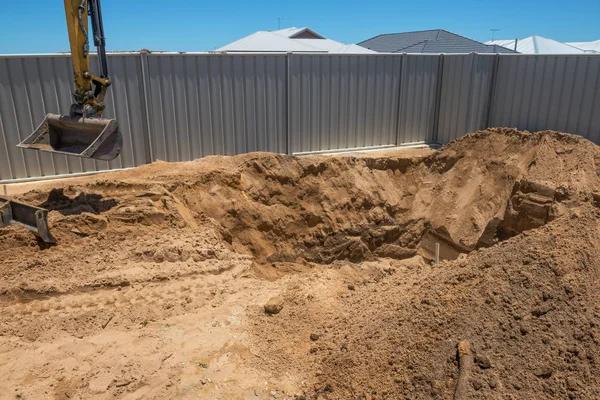
When planning to install a swimming pool, homeowners often envision the refreshing oasis that will soon grace their backyard. However, beneath the surface lies a myriad of potential challenges associated with soil conditions that can significantly escalate installation costs. Understanding these common soil issues is crucial for budgeting and planning purposes.
One prevalent challenge is expansive clay soils. These types of soils are notorious for their ability to absorb water and expand significantly, only to contract again during dry periods. This constant movement can wreak havoc on pool structures if not properly managed. The risk of cracking or shifting increases markedly in regions where expansive clays are present, necessitating additional engineering solutions such as reinforced foundations or flexible plumbing systems to accommodate soil movement.
Rocky soils present another obstacle that can drive up installation expenses. Encountering large rocks or bedrock during excavation requires specialized equipment and labor-intensive processes to remove them, leading to increased time and cost commitments. In some cases, blasting may be necessary to break up particularly stubborn rock formations, adding further complexity and expense.
Sandy soils also pose unique challenges for pool installations due to their lack of stability. Sand does not compact well under pressure, making read more about it on this page difficult for pools constructed on sandy ground to maintain structural integrity over time. To counteract this issue, contractors might need to employ techniques such as dewatering—removing excess water from the sand—or using geotextile fabrics and gravel layers for added support.
High groundwater levels can complicate matters even more by exerting upward pressure on the pool structure once installed. This buoyancy effect can cause pools without proper anchoring systems to shift or float out of position when empty or partially filled with water during maintenance activities like cleaning or repairs. Installing submersible pumps and drainage systems becomes essential in these situations but adds extra financial burden.